

MathCubed Design Document
| Project Name | Math Cubed |
| Genre | 3D First-Person Educational Puzzle |
| Language | English (UK) |
| Platform | PC |
Introduction
A client has requested for me to create a commercial 3D game for a specific audience. I have been tasked with researching, planning, and designing an educational game which aims to teach secondary-school students any of the following subjects; Science, Technology, Engineering, Mathematics (STEM), English or History.
Audience Research
Research Planning
Grouping customers based on different things will help me find a target audience. Here are a few ways I can group them:
Demographic
This means putting customers into groups based on things like age, gender, how much money they make, education, family size, religion, and job. It is common because it is easy to see and measure. For example, you could make a game that is easier or harder for players in different grades, or for boys and girls, or for players with higher or lower incomes.
Psychographic
This is when you group customers based on their personality, attitudes, interests, values, and how they live their lives. It helps you understand what your customers like and why they like it. For example, you could make parts of your game different for players who like learning in separate ways, or for players who feel differently about math.
Geographic
This is when you group customers based on where they live, like what country, state, city, or neighbourhood. It helps you sell your product in various places. For example, you could make your game in different languages or with different money for players in different countries.
Behavioural
This is when you group customers based on what they do or how they act. It helps you see if customers like your product and how much. For example, you could give different rewards or challenges in your game depending on how much a kid plays or how well they do.
Target Audience and Statistics
Finding a target audience is a key element in ensuring the success and effectiveness of my math game. By identifying a specific group of individuals who are most likely to benefit from and enjoy my game, I can tailor the gameplay experience to meet their unique needs, preferences, and learning styles. This targeted approach allows me to create content that resonates with my audience, fosters engagement, and maximizes the impact of the educational elements within the game.
Understanding my target audience enables me to adjust my marketing efforts more effectively, reaching the right people with the right message and increasing the likelihood of success in the competitive gaming market. Ultimately, finding a target audience helps me create a game that not only meets the needs of players but also delivers meaningful educational value in an engaging and enjoyable way.
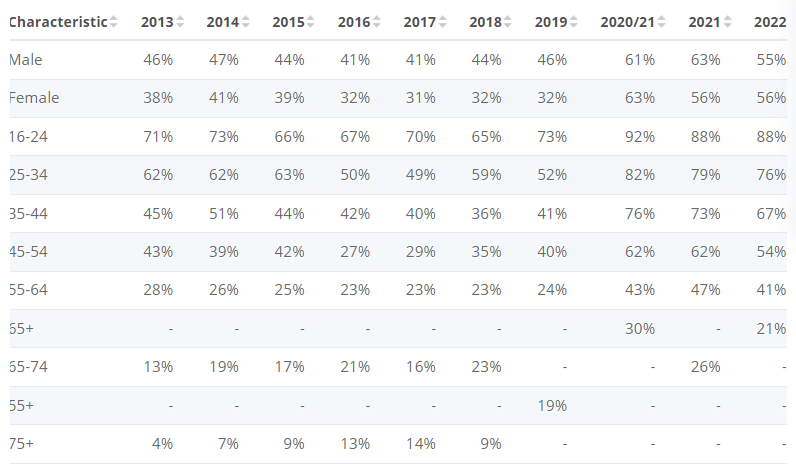
“A September to November 2022 survey of UK adults aged 16 years and older found that 88 percent of respondents aged between 16 and 24 years played video games, down from a 92 percent gaming penetration among the same age group in 2020. Overall, gaming uptake increased in 2020 due to the global COVID-19 pandemic.”
This means more people played video games in 2020 because of the COVID-19 pandemic. When people had to stay home more, they often turned to video games for entertainment and to stay connected with friends. So, even though fewer young adults played games in 2022 compared to 2020, gaming was still really popular, especially among younger people.

Research shows that more than half the working-age population in the UK has the numeracy level expected of a primary school child.
More than half of British girls lack confidence learning maths, compared with 41% of boys.
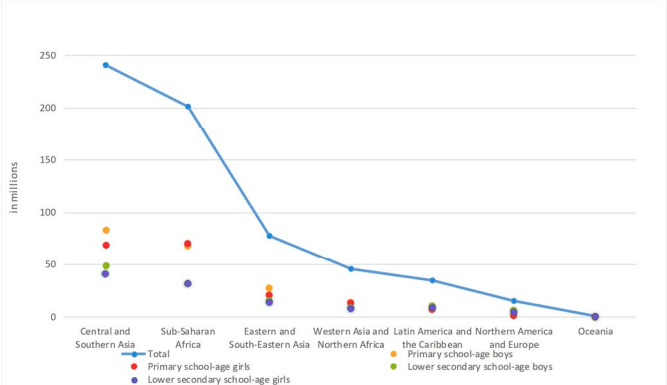
More than 617 million children and adolescents globally are failing to attain minimum proficiency levels in mathematics, underscoring a significant challenge in educational outcomes and skill development. This statistic highlights the widespread need for effective and engaging educational tools to address this issue.
In 2022, 88% of young adults in the United Kingdom aged between 16 and 24 years participated in video gaming activities, indicating the pervasive popularity of digital entertainment among this demographic. This prevalence of gaming presents an opportunity to leverage video game platforms as vehicles for educational content delivery and engagement enhancement.
A survey conducted in the third quarter of 2023 revealed that 89.6% of female internet users aged 16 to 24 worldwide engaged in video gaming across various devices. Similarly, 92.6% of male respondents in the same age group reported gaming activities. This gender-neutral interest in gaming suggests that educational games can appeal to a diverse audience and potentially mitigate gender disparities in math proficiency.
Notably, data indicates a disparity in gaming habits between genders, with four-in-ten boys aged 13 to 17 expressing concerns about excessive gaming, compared to only 11% of girls. Additionally, a higher proportion of parents reported daily gaming habits among teen boys compared to teen girls, emphasizing the need for responsible gaming practices and balanced leisure activities.
Despite these concerns, video gaming remains a prevalent pastime among children, with approximately nine in ten children engaging in gaming activities. This widespread
participation underscores the potential reach and impact of educational games targeting younger demographics.
Older players may prefer games that offer educational value and real-world relevance. They might appreciate math games that tie into everyday scenarios or practical applications of mathematical concepts.
Accessibility Preferences
Younger players are often more tech-savvy and comfortable with using various devices and interfaces. They may prefer games that are accessible across multiple platforms, such as mobile devices, tablets, and computers.
Older players may have different accessibility needs, such as larger text size, adjustable difficulty levels, or compatibility with assistive technologies. Offering customizable settings and options can accommodate a wider range of players.
Cognitive Abilities
Cognitive abilities play a significant role in how players engage with and learn from a math game. Here’s how cognitive abilities might differ between younger and older players:
Younger Players
Younger people typically have a lower cognitive threshold, meaning they may require more assistance, guidance, and positive reinforcement to promote learning. To support younger players’ cognitive development, the game can incorporate interactive tutorials, hints, and tips to help them understand new concepts and mechanics. Positive reinforcement, such as rewarding correct answers with praise or virtual rewards, can motivate younger players to continue learning and progressing through the game. Simple and intuitive gameplay mechanics are essential for younger players, as they may struggle with complex instructions or multitasking. Providing clear objectives and feedback can help them stay focused and engaged.
Older Players
Older people often have more developed cognitive abilities compared to younger players, but they may face challenges related to cognitive decline or slower processing speed. While older players may require less assistance than younger players, they can still benefit from clear instructions, explanations, and examples to support their learning process. Offering adaptive difficulty levels can cater to the varying cognitive abilities of older players. For example, providing options to adjust the speed of gameplay or the complexity of math problems can accommodate different skill levels. Providing opportunities for self-paced learning and practice can be beneficial for older players, allowing them to revisit concepts and reinforce their understanding at their own pace.
Learning Patterns
Younger Players
Younger people often prefer an easy learning experience that gradually introduces new concepts and builds upon existing knowledge. Implementing repetition and patterns in gameplay is essential for younger players to reinforce learning and maintain engagement. For example, incorporating a series of progressively challenging levels that repeat key math concepts in different contexts can help solidify understanding. Balancing progression and difficulty are key for younger players. The game should gradually increase in complexity as players advance, providing opportunities for mastery while avoiding overwhelming them with overly difficult tasks too soon. Utilizing familiar themes and characters can enhance the learning experience for younger players, making math concepts more relatable and memorable.
Older Players
Older people may have different learning preferences and patterns compared to younger players. They may prefer a more structured and systematic approach to learning, with clear objectives and milestones to track progress. While repetition can still be beneficial for older players, they may prefer a more varied and intellectually stimulating learning experience. Incorporating diverse gameplay mechanics, challenges, and activities can keep older players engaged and motivated. Older players may appreciate opportunities for deeper exploration and reflection. Providing access to additional resources, such as supplementary materials or extended learning modules, can cater to their desire for continued growth and development. Flexibility and customization are important considerations for older players. Offering options to personalize the learning experience, such as choosing specific topics or adjusting the pace of progression, allows them to tailor the game to their individual preferences and needs.
Audience Personas
An audience persona is like creating a detailed character profile for a specific group of people who might be interested in your game. It is a way to understand your players better by imagining their age, interests, preferences, and behaviours.
When making a game, audience personas help developers tailor their game to fit the needs and desires of their target players. For example, if your persona is a young adult who loves fast-paced action and competitive gameplay, you might design intense multiplayer modes or challenging levels to cater to that preference. If your persona is a casual gamer who enjoys relaxing gameplay experiences, you might focus on creating soothing visuals and simple mechanics.
Audience personas guide game developers in making decisions about gameplay mechanics, art style, story elements, and marketing strategies to ensure that their game resonates with the people they want to reach.

Anna Millbrook (Not a real person, for example purposes only)
Anna Millbrook is a 9-year-old student who lives in England. She enjoys spending time with her family, especially her siblings. Anna goes to school and works hard to get good grades. She also likes making friends and helping her family. Understanding Anna’s personality and what motivates her helps us create things that she will like and find useful. It helps me know what might make her happy or what might make her feel frustrated. By knowing these things, I can make sure that my game experiences are enjoyable and helpful for Anna and others like her.
Anna is a mix of being shy and outgoing, but she loves being around people. She cares a lot about how others feel and is very friendly. She likes to use her senses to understand things but also enjoys being creative. Knowing that kids like Anna enjoy making friends and helping their family, I can make my math game more social and cooperative. For example, I could promote teaming up with friends or family members to solve math puzzles together. This way, Anna can have fun with her friends while learning.
Anna is motivated by things like doing well in school, making friends, and helping her family. However, sometimes she feels frustrated when learning is hard, or she doesn’t feel like doing her schoolwork. Since Anna cares about how others feel and is friendly, I can make sure the game is encouraging and positive. I’ll include lots of praise and rewards for doing well in the game. This will make Anna feel good about herself and motivate her to keep playing and learning. Since Anna might feel frustrated if learning is hard, I’ll make sure the math questions start off easy and gradually get harder as she progresses. This way, she won’t feel overwhelmed, and she’ll feel proud of herself as she improves.
Anna is influenced by things she sees online, like social media and ads, as well as what her friends and family say. Finally, because Anna is influenced by what she sees online and what her friends say, I’ll make sure to share the game on social media and encourage players to tell their friends about it. This will help more kids like Anna discover the game and enjoy learning math in a fun and interactive way.

Sam Linton (Not a real person, for example purposes only)
Sam Linton is a 10-year-old student from America who goes to school and has a sibling. He likes hanging out with his sibling and enjoys being active. Sam wants to do well in school and become more independent. Knowing that kids like Sam enjoy being active and independent, I can make my math game more interactive and give players more control. For example; I could add a feature where players can explore different areas and complete math challenges to unlock rewards or progress in the game. This way, players like Sam can have fun while learning and feel like they’re in charge of their own learning journey.
Sam is a mix of being quiet and outgoing, but he likes spending time with others, especially when doing things like playing sports. He wants to do his best in school and be able to do things on his own. Since Sam wants to do well in school, I’ll make sure the game includes clear learning goals and progress trackers – This will help players like Anna see how they’re doing and feel proud of their achievements as they improve their math skills.
Sam likes to be rewarded for doing well and wants to keep getting better at things. But sometimes, he worries about things and feels stressed, especially if he’s in a tough situation with his friends. Because Sam sometimes worries about things and feels stressed, I’ll make sure the game is encouraging and supportive. I’ll include helpful hints and tips to guide players through challenges, and I’ll make sure to praise them for their efforts and progress.
Sam is influenced by what he sees online, like social media and ads, as well as what his friends and family tell him. Since Sam is influenced by what he sees online and what his friends and family tell him, I’ll make sure to share the game on social media and encourage players to tell their friends about it. This way, more kids like Sam can discover the game and have fun learning math in a supportive and engaging way.
Understanding Sam’s personality and what motivates him helps us create things that he will enjoy and find helpful. It helps us know what might make him happy or what might make him feel stressed. By knowing these things, we can make sure that our products or experiences are fun and supportive for Sam and others like him.
Empathy Maps
Empathy maps are a concise way of describing how an average person from a group of people thinks, feels, hears, says, and does things. This can be used as a psychological baseline to design the game around, keeping in mind all the things this person experiences in day-to-day life. They are a technique used in product design and marketing to understand a customer’s current problems, which allows a designer to specifically address issues to build a solution that hopefully fixes them and makes sales. They can be split into 7 sections: who is the customer being empathised with, what does this customer need to do, what do they see, what do they say, what do they hear, what do they do, and finally, what do they feel
I will use empathy mapping to identify my target audience—whether it is students struggling with basic arithmetic, parents seeking educational games for their children, or adults looking to improve their math skills. Understanding who my players are will help me tailor my game mechanics and content to suit their needs and preferences.
What will players do?
I will think about the actions I want my players to take while engaging with my math game. For example, they might need to solve math problems, make strategic decisions, or navigate through various levels. I will ensure that the gameplay is intuitive and encourages active participation to keep players engaged.
 Lewis' Games Development Portfolio