
Design Document
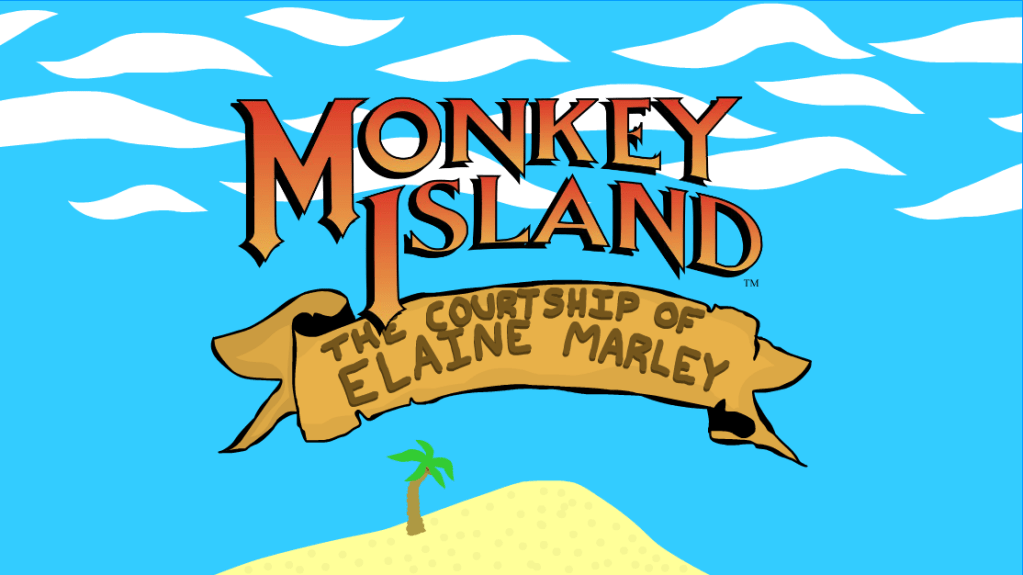
MONKEY ISLAND: THE COURTSHIP OF ELAINE MARLEY
By Lewis Whitham
Part 01_Monkey Island – Initial Research, Planning and Concept Idea
Introduction
Monkey Island: The Courtship of Elaine Marley is a prequel to the popular adventure game, The Secret of Monkey Island. The game is set in the fictional Caribbean during the golden age of piracy and follows the young protagonist, Guybrush Threepwood, as he attempts to win the heart of the governor of Mêlée Island, Elaine Marley. The game combines elements of comedy, adventure, and romance, with a focus on exploration, puzzle-solving, and dialogue-based gameplay.
Target Audience
The game is targeted towards fans of the original Monkey Island series, adventure game enthusiasts and casual gamers who enjoy humorous and light-hearted gameplay.
Game Genre
Monkey Island: The Courtship of Elaine Marley is a comedic point-and-click adventure game with elements of romance and puzzle-solving.
Game Objectives
The primary objective of the game is for the player to help LeChuck win the heart of Elaine Marley, while navigating various challenges and obstacles along the way. The game is designed to be engaging and entertaining, with a strong emphasis on storytelling and character development.
Planning
My first step towards tackling this brief would be to analyse the requirements and parameters of the audio, visual, and interactive-based problems.
Firstly, for the audio-based problem [Unit 05.1.1], I have analysed the specific audio-based problem of ‘Monkey Island: The Courtship of Elaine Marley’ by exploring various techniques such as Foley, ADR, and soundscapes to create effective audio that compliments the visuals and enhances the player’s experience. For this Unit, I will need to research sound effects and techniques (Foley, ADR, and soundscapes) used in films and why they are used. Then I will produce or download music and sounds to use in my finished product.
Similarly, for the visual-based problem [Unit 06.1.1], I have analysed the requirements and parameters of the visual-based problem of ‘Monkey Island: The Courtship of Elaine Marley,’ exploring various planning processes such as mood boards, sketches, scripts, colour palettes, storyboards, character designs, backgrounds, and environment designs. For this Unit, I will create a mood board of existing visual styles to get a better idea of the atmosphere and visual direction I want to capture in my designs. Then I will produce some concept sketches to visualize the characters, scenes, and environment. By doing so, I can create coherent and effective, high-definition graphics that complement the audio.
Furthermore, for the interactive-based problem [Unit 07.1.1], I have analysed the requirements and parameters of the interactive-based problem of ‘Monkey Island: The Courtship of Elaine Marley.’ This would involve understanding user experience and design, exploring user interface design, layout, typography, puzzles, and other interactive elements to create an engaging final product that enhances the player’s experience. For this Unit, I will need to consider the user interface, the complexity of the puzzles, the level of difficulty, how the puzzle should be solved, and how the puzzle can be adapted to challenge players of different skill levels.
Once I understand the requirements and parameters of the audio, visual, and interactive-based problems, I would move on to the pre-production planning research and animation. Here, I would use planning tools such as sketches and storyboards to create an introductory scene for the game alongside a coherent and effective documentation of my progress including research and evaluation.
Research: Audio [Unit 05.1.2]
For Unit 05.1.2, I will apply research to support solutions to the audio-based problem of ‘Monkey Island: The Courtship of Elaine Marley,’ exploring the techniques and processes in more detail. For this task, I will research the types of sound effects and Foley techniques used in other similar games and films, such as The Pirates of the Caribbean, to inform my own design decisions.
Foley and Soundscapes
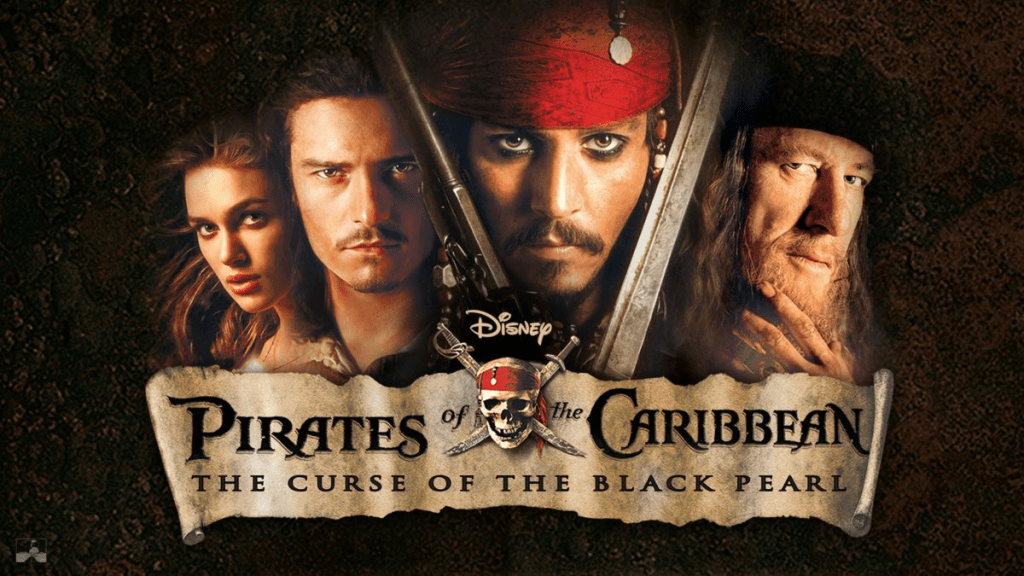
Walt Disney Picture’s Pirates of the Caribbean: The Curse of the Black Pearl is an iconic movie that has earned a massive following since its release in 2003. The movie’s director, Gore Verbinski, is known for his excellent use of soundscapes and foley to create an immersive and atmospheric experience for the viewer. In The Black Pearl, Verbinski used various sound effects to bring the audience into the world of pirates, including the sound of waves crashing against the ship’s hull, the creaking of ropes and planks, and the clanging of swords during fight scenes. These techniques helped to transport the audience into the world of the movie and make them feel like they were part of the action.
The use of foley and soundscapes in The Curse of the Black Pearl can be applied to the pre-production of Monkey Island: The Courtship of Elaine Marley in several ways. Firstly, the sound of waves crashing against the shore and the creaking of wooden boats can be used to create an authentic and immersive experience for the viewer. By using these sounds, the audience will feel like they are on the high seas, adding to the experience’s overall atmosphere. Secondly, the clanging of swords and other sound effects can be used to make fight scenes more realistic and exciting. By using sound to accentuate the action on screen, the audience will be more engaged and invested in the experience.
Researched Soundtracks
1 Fog Bound [2:16] This track is heard at the beginning of the film, when the young Elizabeth meets Will Turner. https://www.youtube.com/watch?v=meb_4cEriyw
2 The Medallion Calls [1:53] This track plays when Captain Jack Sparrow drifts into Port Royal in his sinking boat. https://www.youtube.com/watch?v=8TTUBMTInVE
3 The Black Pearl [2:16] This track plays after Jack saves Elizabeth and while he escapes the British. https://www.youtube.com/watch?v=mP-BeFi58tQ
4 Will & Elizabeth [2:08] This track plays during the fight between Will and Jack in the Blacksmith shop. https://www.youtube.com/watch?v=UvnMQ9Z5K3g
5 Swords Crossed [3:16] This track plays during Elizabeth’s dinner with Barbossa, when she discovers the cursed pirates for the first time. https://www.youtube.com/watch?v=C3PfF-Huv2g
From my research of The Pirates of the Caribbean soundtrack and music, I have found that the composer uses foley to create an immersive audio experience. Foley is added in the post-production stage and is used to replicate the sounds seen on screen using materials and objects in a separate studio. This technique is useful because it allows for more customization and control of the environment when recording scenes.
Slang, Accents, Tone, and Language
Pirate Slang is the way pirates talk to others, what specific words they use, and how they say them. I will use pirate slang when the pirates are talking to create the 90s pirate vibe.
- Arrr – Excitement or agreeing.
- Booty – Treasure.
- Avast Ye – Pay attention, check this out.
- Ahoy, Me Hearties! – Hello my Friends.
- Aye – yes.
- Belay – Usually means to prevent someone from doing something.
- Booty – The treasures and other values plundered from the victim ships. Bucko – A friend.
- Davy Jones’s Locker – A graveyard for people killed or drowned at the sea.
- Dead men tell no tales – Means that a dead man cannot reveal any secret or fact, can be used as a threat.
Foley And Soundscapes
Foley: Disney utilized the art of foley to create the sound effects for Pirates of the Caribbean: The Curse of the Black Pearl. Foley is a technique used in film production to add or enhance sounds difficult to record during filming. This method involves recording sounds such as footsteps, cloth movements, and even sword clashes in a studio while watching the movie, then synchronizing them to the visual footage in post-production.
In the case of Pirates of the Caribbean, foley artists used various objects and props to create sound effects that would match the film’s action and atmosphere. For example, to create the sound of the pirates’ footsteps, the foley team used a mix of different footwear, including heavy boots and clogs. They also used wooden planks and sand to simulate the sound of footsteps on a wooden deck.
Sword fighting scenes were another important aspect of the film that required unique sound effects. Foley artists used various metal objects, such as swords and metal rods, to create the sounds of clashing swords and hitting metal. They also added layers of grunts and vocalizations to enhance the intensity of the scenes.
Additionally, the sounds of cannons firing, ship creaking, and waves crashing were all created through foley techniques. The foley team used a mix of metal and wooden objects to create the sound of cannons, while creaky wooden planks and metal chains were used to simulate the sound of a ship in motion.
Overall, the use of foley in Pirates of the Caribbean: The Curse of the Black Pearl was crucial in creating a realistic and immersive audio experience for viewers. The attention to detail in creating unique sound effects helped to enhance the film’s action and drama, making it an iconic part of the Pirates of the Caribbean franchise.
The sword fighting sounds in ‘Monkey Island: The Courtship of Elaine Marley’ can be used to heighten the realism and excitement of fight scenes, making the audience feel like they are in the middle of a swashbuckling adventure. The parrot squawks can add a touch of humour and levity to certain scenes, creating a more light-hearted and enjoyable experience for the viewer. The sounds of guns and explosives can be used to create tension and suspense, adding to the overall excitement and drama of the experience. The waves crashing and boats creaking can create an authentic and immersive experience, transporting the audience to the high seas and making them feel like they are part of the action. The floorboards creaking can be used to create suspense and anticipation, signalling the arrival of a character or the onset of danger. Finally, the sea shanty can be used to create an atmospheric and immersive experience, evoking a sense of adventure and excitement that will keep the audience engaged throughout the movie.
Soundscapes: A soundscape is the acoustic environment as perceived by humans, given the context of the surroundings. Soundscapes can be thought of as a culmination of different foley sounds pieced together to create an acoustic environment
For example, natural background sound which clearly identifies to the player that they are in a specific environment to promote the feeling and immersion. For example, waves crashing on the shore wind whistling through the trees defines the landscape and emotion of the scene in which to project.
| Sound | Name | Source |
| Water Crashing | Sea coast breaking waves | https://mixkit.co/free-sound-effects/ocean/ |
| Boat Creaking | Ship hull creak | https://mixkit.co/free-sound-effects/boat/ |
| Wind | Coastal outdoor wind | https://mixkit.co/free-sound-effects/wind/ |
| Sea Shanty | – | https://mixkit.co/free-sound-effects/discover/pirate/ |
| Pirate Speech | – | https://mixkit.co/free-sound-effects/discover/pirate/ |
| Walking Footsteps | https://mixkit.co/free-sound-effects/walk/ | |
| Seagulls |
Research: Visuals [Unit 06.2.1]
For Unit 06.2.1, I will demonstrate my ability to plan, organize, and present solutions to the visual-based problem of ‘Monkey Island: The Courtship of Elaine Marley’ using planning tools such as sketches, storyboards, and tables to produce a coherent and effective visual demonstration. For instance, I would create a 20-frame storyboard outlining the scenes and transitions of the game and produce a script to be used as a plan for the animation scenes in the final product.
Mood boards
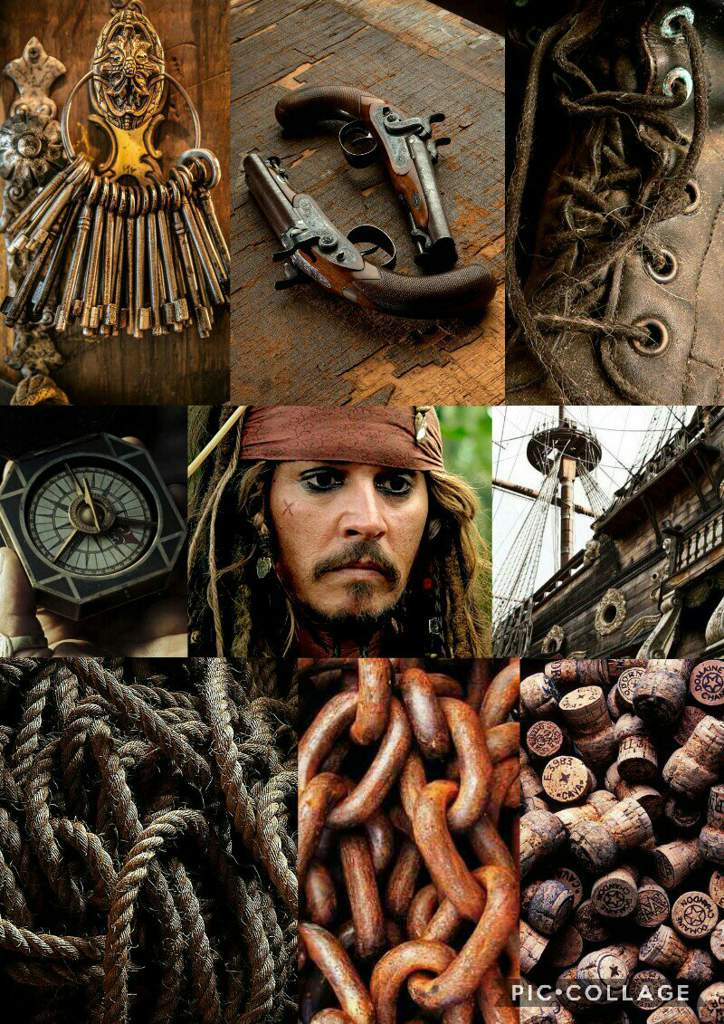
[notes: description of the theme and environment of the project]

[notes: description of the theme and environment of the project]
Storyboards
I have produced a story describing scene 1, split into 4 storyboards each with 5 frames.
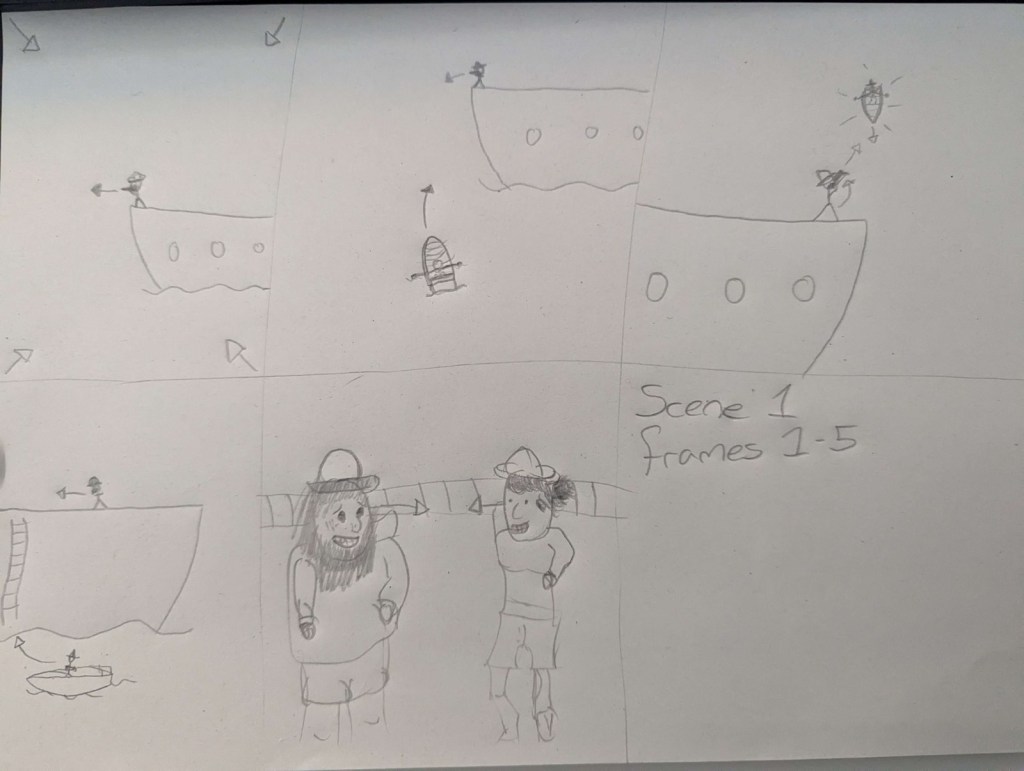
Frame 1: The opening shot shows the pirate ship sailing on the sea with LeChuck standing on the deck looking out. The camera is positioned from behind LeChuck, looking out at the sea, emphasizing his commanding presence.
Frame 2: Governor Elaine Marley is shown approaching the ship in a small rowboat. The camera is positioned from a high angle, looking down at the governor.
Frame 3: LeChuck turns around and sees the governor approaching. The camera is positioned from a high angle, looking down at LeChuck, emphasizing his surprise and delight.
Frame 4: The governor climbs aboard the ship and walks towards LeChuck. The camera is positioned from a low angle, looking up at the two characters and emphasizing their contrasting positions of power.
Frame 5: LeChuck greets the governor with a smile and the two exchange pleasantries. The camera is positioned at eye-level, emphasizing their mutual respect and interest in each other.
Frame 6: The governor asks for a private audience with LeChuck. The camera is positioned close to the governor’s face, showing her shyness and vulnerability.
Frame 7: LeChuck grins at the governor’s request. The camera is positioned from behind LeChuck’s shoulder, looking at the governor and emphasizing his intrigue and attraction towards her.
Frame 8: LeChuck offers to be of service to the governor. The camera is positioned at eye-level, looking at both characters and emphasizing their polite conversation.
Frame 9: The governor takes a step closer to LeChuck. The camera is positioned from a high angle, looking down at the two characters and emphasizing their intimacy.
Frame 10: LeChuck compliments the governor’s appearance. The camera is positioned close to LeChuck’s face, emphasizing his romantic intentions.
Frame 11: The governor blushes at LeChuck’s compliment. The camera is positioned from a low angle, looking up at the governor and emphasizing her shyness.
Frame 12: The parrot Pickles interrupts the conversation with a squawk. The camera is positioned from a medium angle, looking at the parrot and emphasizing its comedic role.
Frame 13: LeChuck strokes his beard and continues to flirt with the governor. The camera is positioned from a close-up angle, emphasizing his charm and charisma.
Frame 14: The governor giggles at LeChuck’s words. The camera is positioned close to the governor’s face, emphasizing her amusement.
Frame 15: LeChuck leans in closer to the governor. The camera is positioned from a low angle, looking up at the two characters and emphasizing their intimacy.
Frame 16: LeChuck suggests that the governor sail away with him. The camera is positioned from a close-up angle, emphasizing his romantic intentions.
Frame 17: The parrot Pickles pecks at LeChuck’s beard. The camera is positioned from a medium angle, looking at the parrot and emphasizing its comedic role.
Frame 18: The governor declines LeChuck’s offer. The camera is positioned from a medium angle, looking at both characters and emphasizing their conflicting interests.
Frame 19: LeChuck accepts the governor’s decision. The camera is positioned from a high angle, looking down at LeChuck and emphasizing his disappointment.
Frame 20: The governor smiles at LeChuck’s persistence. The camera is positioned at eye-level, looking at both characters and emphasizing their mutual respect and admiration.
Script Draft
The script will be difficult to produce because of the cultural differences between pirates and non-pirates. I researched the Pirates of the Caribbean script and noted how they would talk or act.
[Scene 1: LeChuck is standing on the deck of his pirate ship, looking out at the sea. Governor Elaine Marley comes aboard and approaches him.]
LeChuck: Ahoy, Governor! Ye be a welcome sight indeed.
Elaine: [smiling] Thank you, Captain. I hope you’re doing well.
LeChuck: Aye, I’m doin’ just fine. And how might I be of service to ye?
Elaine: [takes a step closer to LeChuck] I was hoping we could talk, just you and I.
LeChuck: [grinning] Me heart swells with joy at the thought of a private audience with such a lovely lady as yerself.
Elaine: [blushing] Oh, Captain, you flatter me.
Parrot Pickles: [Squawks].
LeChuck: [stroking his beard] ‘Tis the truth, me dear. The way yer hair glows in the sunlight, and the sparkle in yer eye, makes me heart skip a beat.
Elaine: [giggling] You have a way with words, Captain.
LeChuck: [leans in closer] Aye, but my actions speak louder than me words. If ye were to sail away with me, I’d make ye the happiest woman in all the seven seas.
Parrot Pickles: [Squawks] [Pecks at LeChuck’s beard].
Elaine: [shyly looks down] I’m afraid I couldn’t do that, Captain. I have duties to attend to as governor.
LeChuck: [smiling] Ah, but a pirate can dream, can’t he?
Elaine: [smiling back] I suppose he can.
LeChuck: [leans in even closer] And dream I will, of the day when ye might reconsider and join me on me ship.
Elaine: [blushing again] You’re quite the charmer, Captain.
Character Designs Research
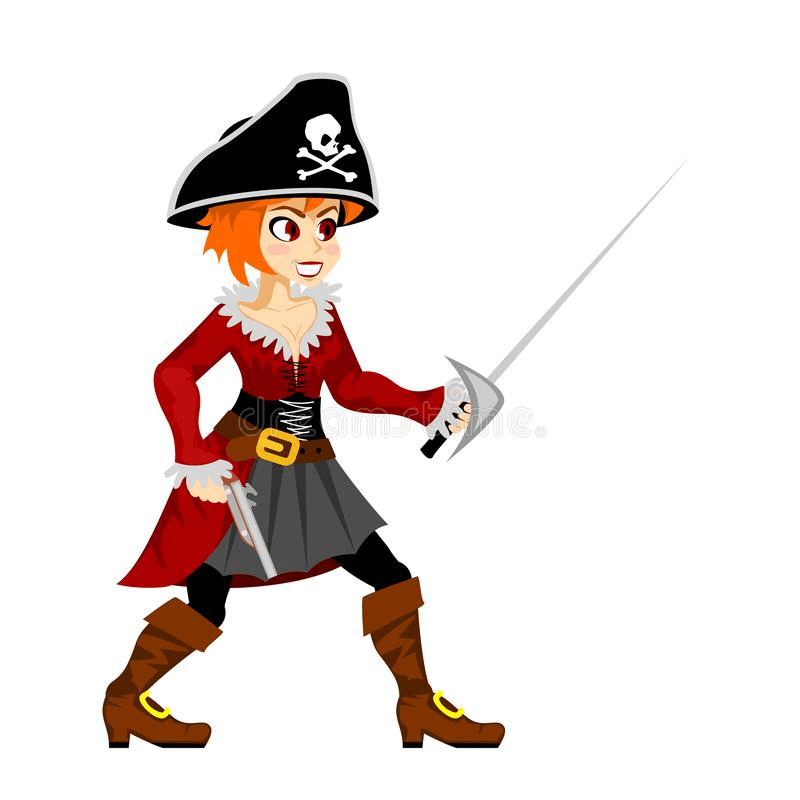
Elaine Marley, the governor of Melee Island.
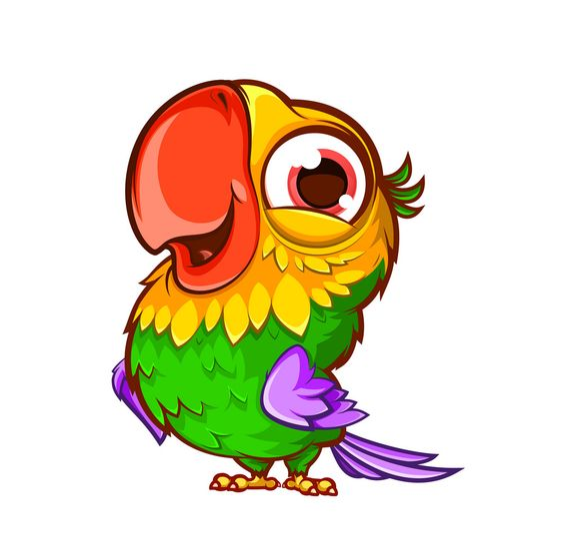
Pickles, a cute parrot that hangs out on LeChuck’s shoulder or is seen flying around.
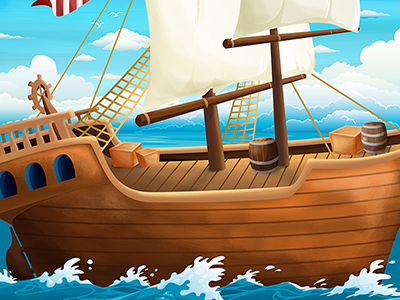
Backgrounds
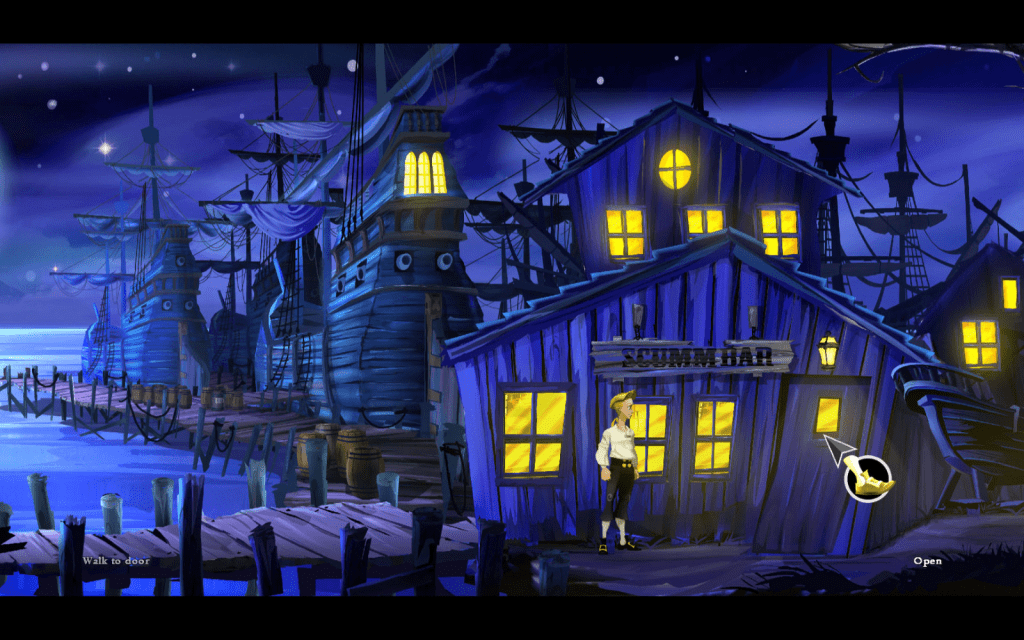
Objects / Items
Pirate hat costumes
Parrot
Weapons Cutlass/ dagger/ flintlock pistol
Keys

Lamp / Candle

Telescope
Map
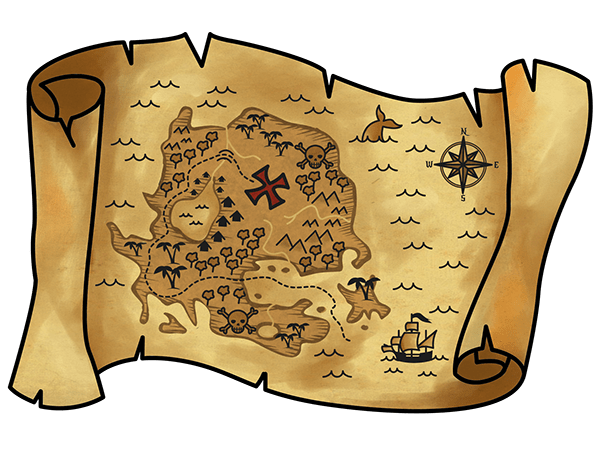
Compass
Research: Interactivity [Unit 07.1.2]
For Unit 07.1.2, I have applied research activities to support solutions to the interactive-based problem of ‘Monkey Island: The Courtship of Elaine Marley,’ exploring the user experience and design to create an engaging final product. For this problem, I would conduct research into The Secret of Monkey Island to determine the target audience of the game and evaluate the user interface elements that are placed in each scene.
UI design
The UI (user interface) design of Monkey Island played a crucial role in the game’s success and set a new standard for the genre.
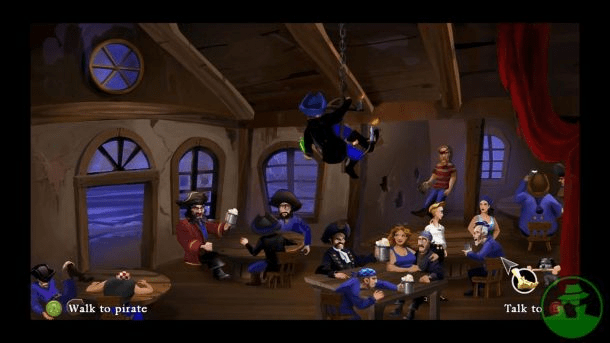
Monkey Island’s UI design made it easy for players to navigate the game world and interact with objects and characters. The game’s mouse-driven interface allowed players to point and click on objects to interact with them, and the game provided clear feedback on what actions were possible. This intuitive navigation made the game accessible to players of all skill levels and helped to keep players engaged with the game’s puzzles and story.
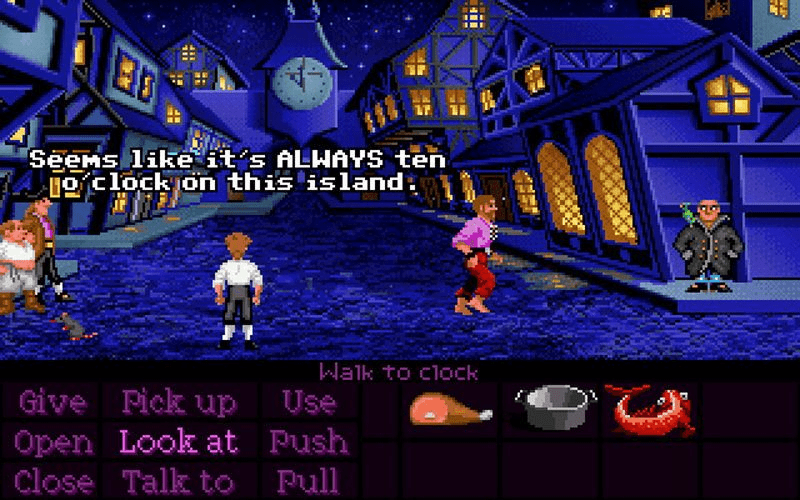
This design’s minimalist approach featured a small inventory bar at the bottom of the screen, along with minimal on-screen text. This design helped draw players into the game world, making it easier for them to focus on the game’s story and puzzles. The result was a clean and immersive look that helped set a new standard for point-and-click adventure games.
The game’s humorous and cheeky tone was consistent with its UI design. The interface and text were filled with jokes and pop culture references, adding to the game’s charm and humour. This consistency of tone created a cohesive and memorable game experience that contributed to the game’s enduring popularity.
Monkey Island’s UI design was also consistent throughout the game, with a clear and recognizable visual style. The game’s iconic inventory bar and item icons, as well as its use of text boxes for dialogue and narration, became hallmarks of the point-and-click adventure game genre. This consistency of style helped establish Monkey Island as a classic of the genre.
Overall, Monkey Island’s UI design played a crucial role in its success, thanks to its intuitive navigation, minimalist design, consistent tone, and recognizable style. These design choices helped create a memorable and engaging game experience, setting the bar for point-and-click adventure games that followed.
While other point-and-click adventure games, such as the Myst series and the Sam & Max series, use similar UI design elements and techniques, each game has its unique twists and innovations. They all use a mouse-based interface, inventory systems, dialogue trees, hotspots, and visual feedback. However, their distinctive UI design sets them apart, making each game a unique experience for players.
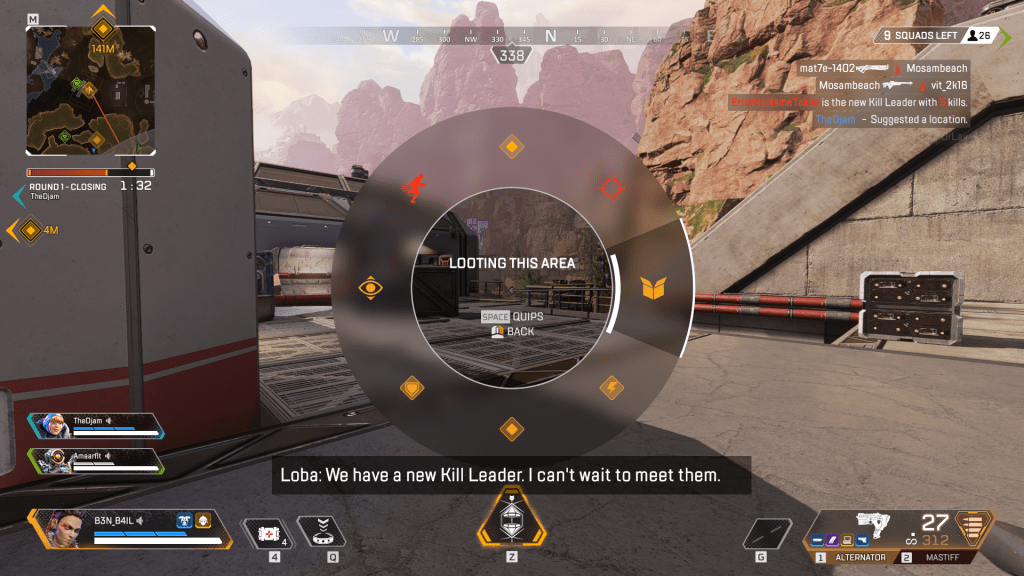
When it comes to the user interface design of my game, I am inspired by the radial wheel of options seen in Apex Legends and similar games. The circular layout of the menu is not only visually appealing, but it is also easy to navigate with a mouse. I plan to incorporate this design into my game’s UI to provide players with a smooth and intuitive experience.
I am aiming to have nine distinct options available for players to select within the radial wheel. These options will be crucial for the player to interact with the game’s environment and NPCs. By using the radial wheel, players can quickly select the option they need and proceed with the game without any interruption. Overall, my goal is to make sure that the UI design is user-friendly and easy to use, which will enhance the player’s overall gaming experience.
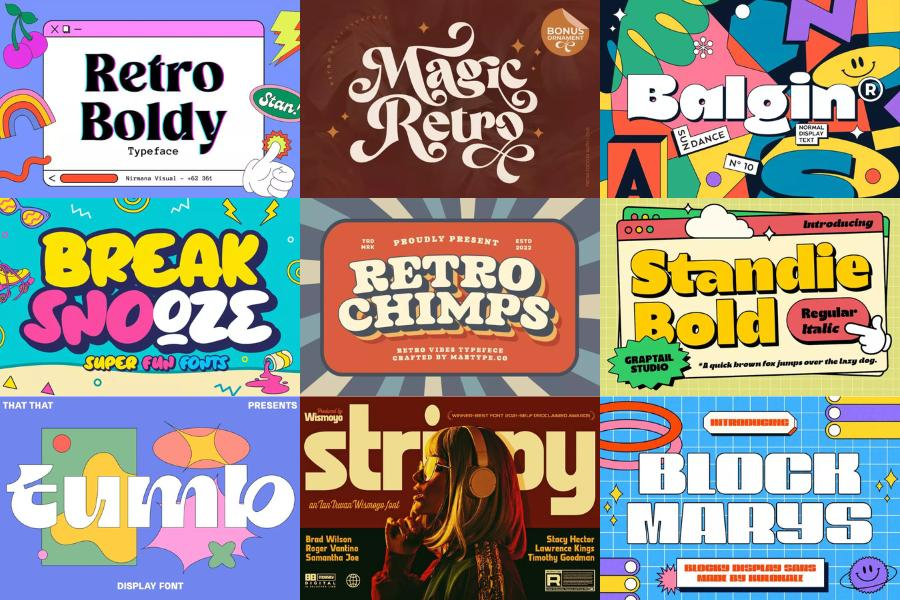
[research notes: Typefaces, 90s fashion, 90s music.]
Typefaces
Fashion
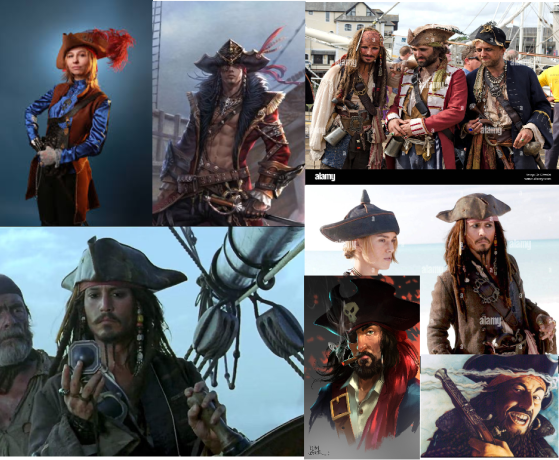
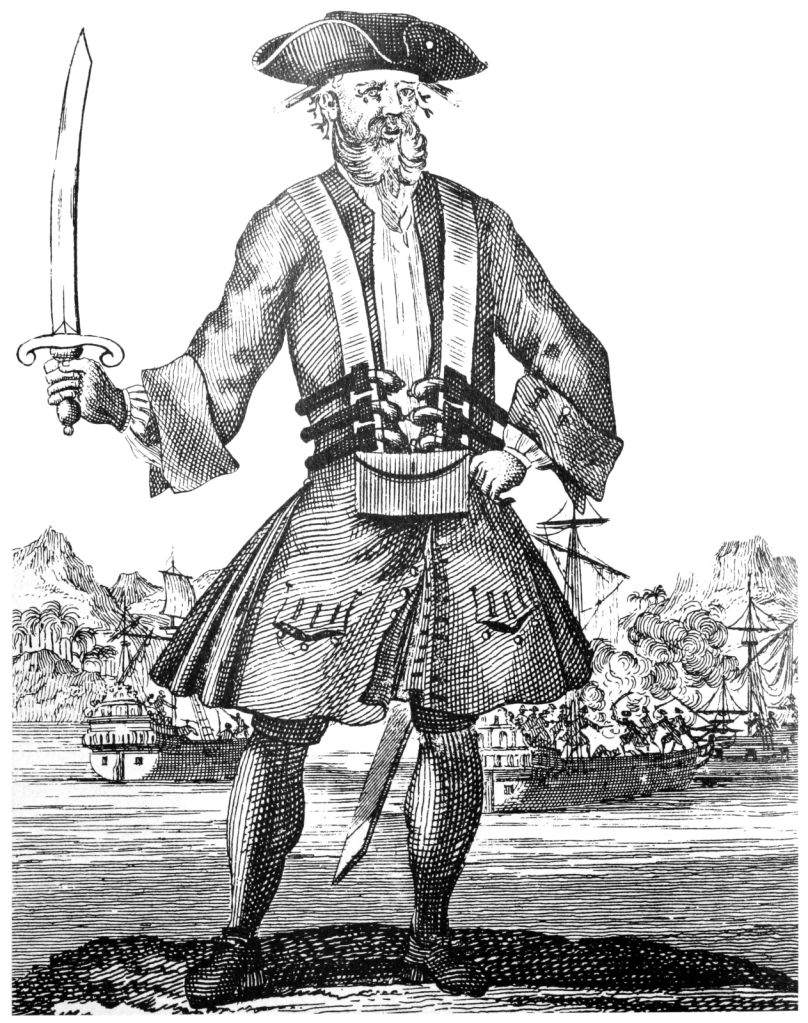
When designing the game’s characters, it is important to consider the fashion of the pirates that inspired the game’s theme. Pirate fashion is iconic and easily recognizable, and incorporating elements of this style into the game’s design will add an extra layer of authenticity and immersion for players.
When designing the pirate outfits, it is important to consider the materials that would have been available during the era of piracy. For example, pirates often wore waistcoats and jackets made of leather or canvas, which were durable and provided protection from the elements. These materials can be accurately represented in the game’s design, giving players a more realistic and immersive experience.
Accessories such as bandanas, headscarves, and tricorne hats were also a staple of pirate fashion. These items provided practical benefits such as shade and protection and added a distinct visual element to the pirates’ outfits. By incorporating these accessories into the game’s design, players will be able to easily identify the pirate characters and feel more connected to the game’s theme.
In addition, details such as belts and buckles, and jewellery such as earrings and necklaces can be included to further enhance the pirates’ outfits. By using accurate and authentic materials and details in the game’s design, players will be able to fully immerse themselves in the world of the pirates and feel like they are part of the adventure.

Colour Pallets
The vibrant and bold colour palettes of the 90s were characterized by bright neons and bold primary colours, often used in blocky, pixelated graphics. These colours are known as 8-bit colours because they are stored in 8 bits of memory in the computer. Later, the 16-bit colour and 32-bit colour system was introduced and is now widely used for graphics today.
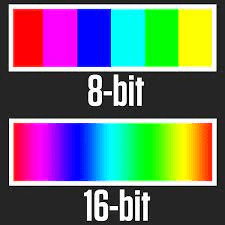
Primary Colour palette

Puzzles
LeChuck arrives on a deserted island and finds an old map missing a piece. He needs to locate the missing piece to uncover its secrets. While exploring the island, he discovers a group of monkeys playing with a shiny object that may be the missing piece. The monkeys will not give it up easily, so LeChuck needs to find a way to distract them to take the shiny object unnoticed. He uses a coconut from a nearby tree to distract the monkeys and successfully takes the shiny object. After examining the object, LeChuck finds out that it is the missing piece of the map that shows the location of a hidden treasure. LeChuck sets sail to find the treasure, which advances the story.
Part 02_Monkey Island – Audio, Animation and Artwork Production
Audio
In the production of Monkey Island: The Courtship of Elaine Marley, audio processes played a crucial role in creating an immersive and engaging experience for the listener. I utilized a variety of techniques and tools to bring the game’s world to life through sound.
Firstly, a combination of sound effects and Foley was used to enhance the realism of the game’s environments. This involved recording various sounds and noises such as footsteps, door creaks, and ambient noise, and layering them over the game’s visuals to create a more convincing and immersive audio-visual experience.
In addition, voice acting was utilized to give life to the game’s characters. I created unique and distinct voices for each character, bringing personality and depth to the game’s dialogue. For example, the voice for LeChuck is deep and loud, emphasizing his empowering presence, on the other hand, Elaine’s voice is higher pitch and quieter.
Music also played a vital role in setting the mood and tone of the game and creates a dynamic and engaging soundtrack to listen to while the characters are talking.
Finally, I used mixing and mastering in Adobe Audition to ensure that the audio elements were balanced and optimized for the best listening experience. This involved using equalization, compression, and other effects to enhance the clarity and impact of the audio.
Overall, the audio processes used in the production of Monkey Island: Courtship of Elain Marley were critical in creating an immersive and engaging experience for the players. The combination of sound effects, voice acting, music, and mixing and mastering techniques helped to bring the game’s world to life and create a memorable and enjoyable experience for players.
Puzzle Objects
I have designed a few objects which can be used in the game. These objects have been created in Adobe Animate using multiple techniques to give the desired effect.
The Map
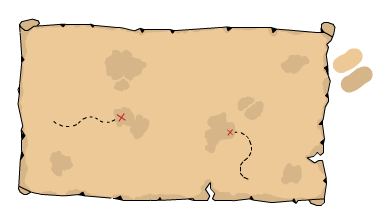
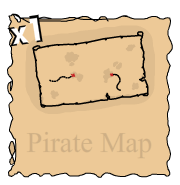
The Map is used to locate treasure and other landmarks, usually accompanied by a compass for easier navigation. Can be found in pirate ships. This object is used in the second scene I have made where LeChuck is searching for treasure and uses a map.
The Key

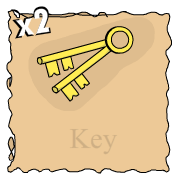
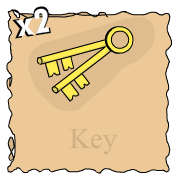
The Key is a usable puzzle object and can usually be found in hidden places. can be used to open some locked containers and doors.
The Barrel

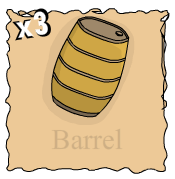
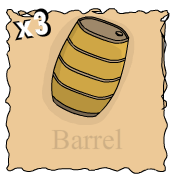
The barrel is an interactive puzzle object usually seen inside the hull of a pirate’s ship, this object can be picked up, dropped down and hidden in for a surprise attack or to sneak past other pirates.
The Cannon and Cannon Ball
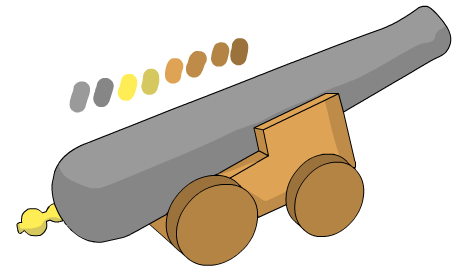
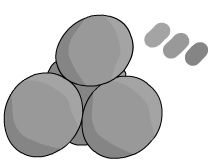
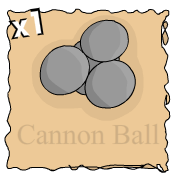
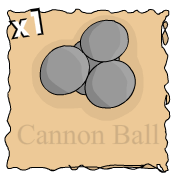
The cannon is an interactive puzzle object which can be used to shoot a cannon ball. Cannon balls are usually found near cannons for ease of access and can be loaded into the cannon, then ignited with a match or candle, and shot out of the barrel. This could be used to distract other pirates, shoot a target, or scare others around to give you the upper hand.
The techniques I used while designing the cannon are highlighting and shading, layering, sketching, colour theory, and silhouettes.
The Cup

UI Objects
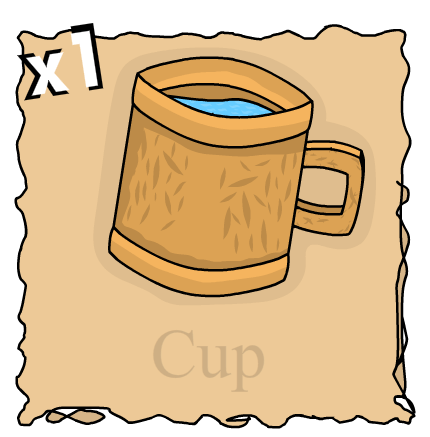
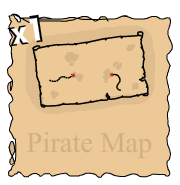
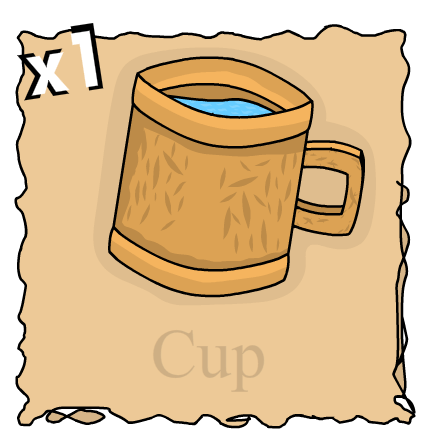
Every puzzle object that can be picked up by the player has a UI image to be used when the inventory is open in game.

User Interface
For the user interface, I wanted to recreate the radial wheel with all the relevant options. To create this, I needed a reference image.
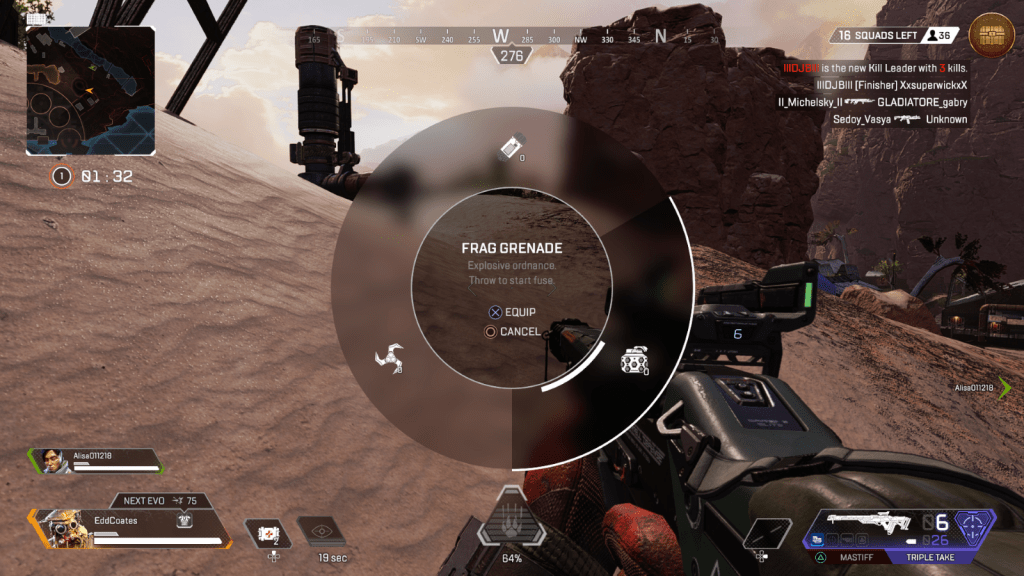
The radial wheel in Apex Legends is the closest image I could find to use as a reference, it has multiple options to choose, and has the selected item displayed in the middle with more information.
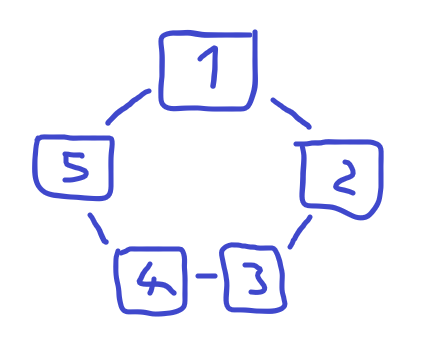
This is the layout I wanted to recreate for the UI. There will be 5 options for the player to choose from, and once the option is selected, it will display more info in the centre of the display.
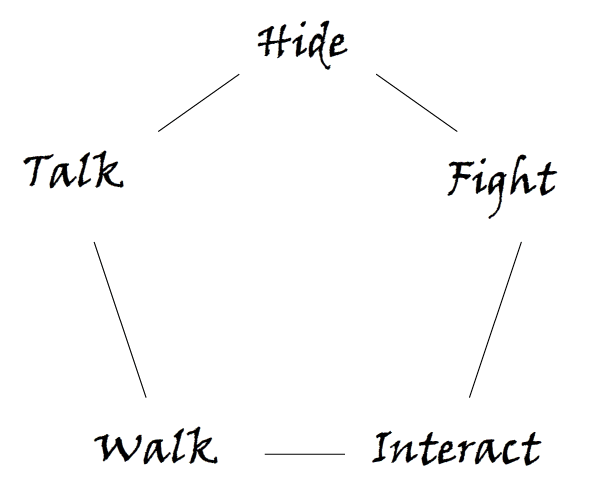
I chose the ‘Viner Hand ITC’ font because it matched the pirate theme and closely resembles handwriting from a quill, which was a commonly used writing tool back then.
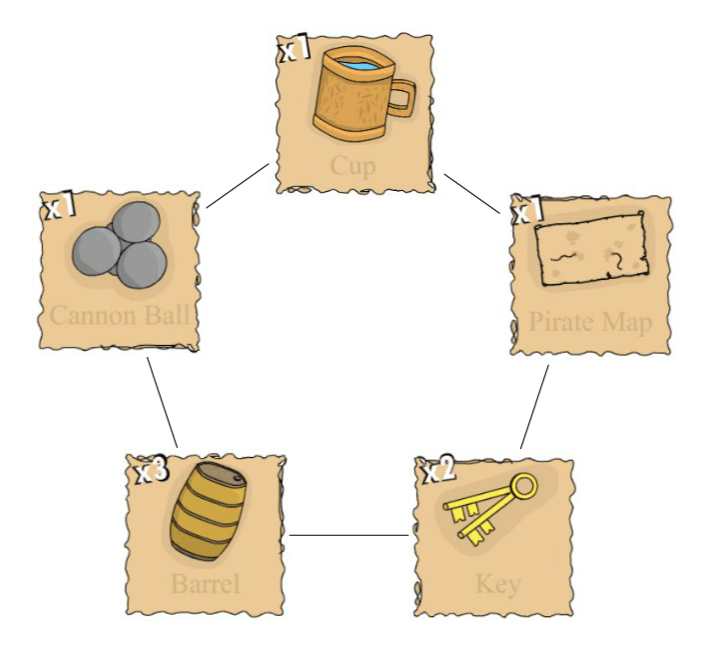
I experimented using this same display with the items withing the inventory, but this method would not work because of a scalability issue. The player can collect many items in the game and storing them in a single radial menu would be much less space efficient than a generic grid. However, having multiple radial menus could be on the table, but may require more navigation compared to the grid-based approach seen in the original game.
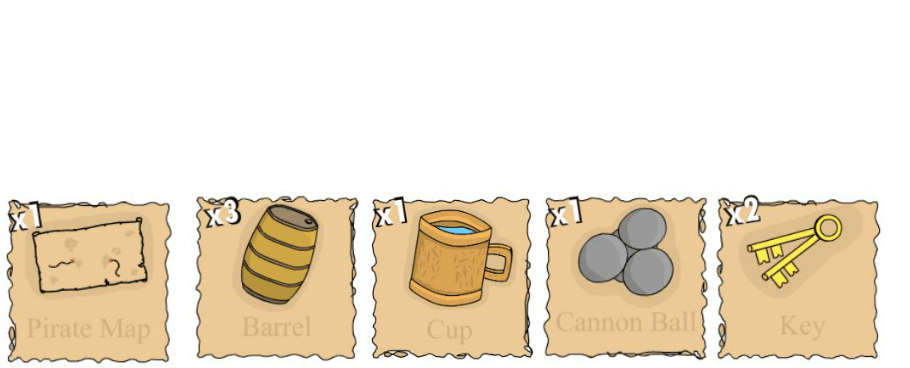
Having the UI images lined up at the bottom of the screen would make them easily accessible when using a mouse input. This would remove the need for a complex menu system and make the player feel more comfortable with using the items they have.
Character Design – Parrot Pickles

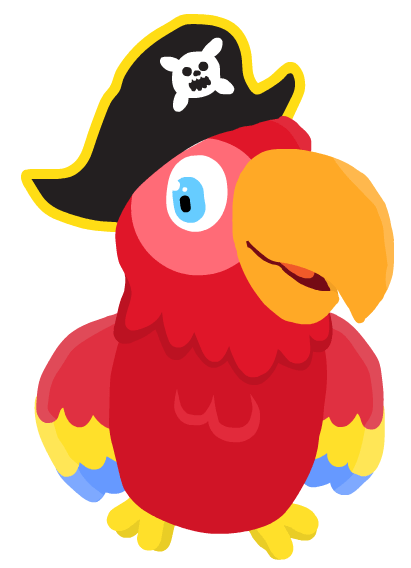

Parrot Pickles, a cute parrot that hangs out on LeChuck’s shoulder or is seen flying around. Typically known for repeating phrases at comedically specific times or doing other weird and unusual actions to add an element of comedy during conversations. Also has an extreme addiction to pickles… thus the name.
I wanted Pickles to be a cute and sometimes comedic companion to accommodate the pirate themes of the story and game in general. The name came to my mind when I was looking for reference images of pirate-themed parrots and thought it would be an unusual but funny name for the character.
Pickles wears a pirate hat to connect him with the other pirates; as if he is part of the crew. The design of the hat has a golden outline to add a gilded, luxurious feeling which adds to the comedic theme because a pirate would not offer expensive materials to a bird who could not protect themself – this addition creates a friendly, trustworthy bond between LeChuck and adds depth to the story.
Some of the techniques I used while designing Pickles are the following: highlighting and shading, layering, sketching, colour theory, and silhouettes.
Level Design
For the first level, I wanted to make a similar scene to the Scumm bar seen in the prequel. To create an illustration of this level, I need to create a sketch to give a rough outline and representation of what it will look like.
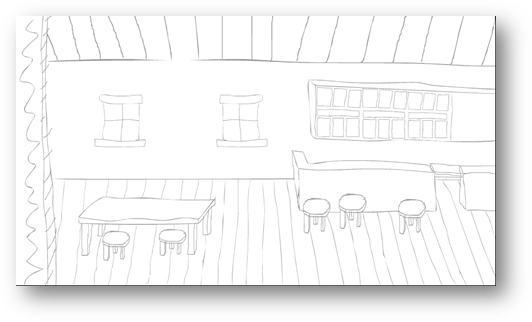
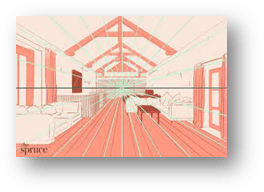
⬆️ This sketch is a good starting point for the level design. I tried to create a 3D perspective effect using the floorboards and roofing. I used these images below as reference points, although I could have used them better. I have found that perspective is a difficult effect to create, especially if you are working with objects that are not aligned perfectly – for example, the table.
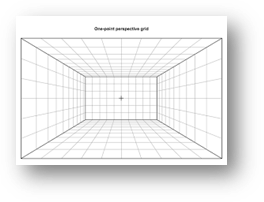
I was happy with the sketch and so I moved forward with the line work.
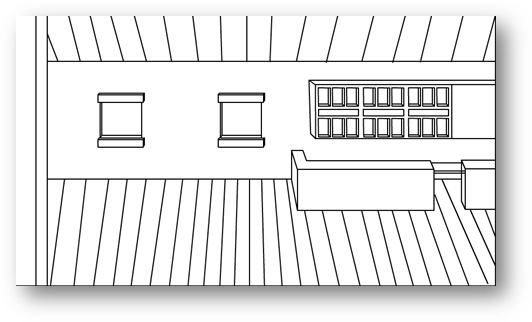
⬆️ I simply created another layer for the background and used the Line Tool to create lines for the edges of objects in the scene.
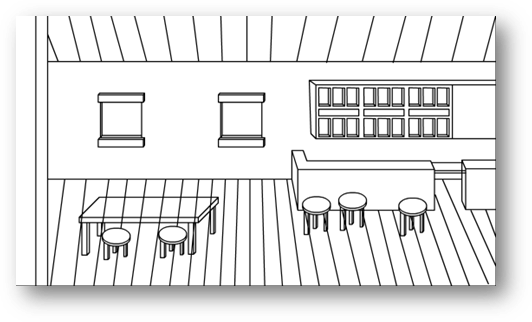
⬆️ Then I created the line work for the foreground which overlapped the background. I needed to hide the background layer and use the sketch layer as a guide to draw on. But this looked too perfect and needed some imperfections to create a damaged and uncared-for look.

⬆️ To create this effect, I used a new technique which I thought would create imperfections in the straight edges of the line work. I used the Anchor Point Tool to make 3 points on the edges of an object and moved the middle one to create a chipped-like effect. This effect is convincing and makes a more realistic material surface than a perfect straight line.
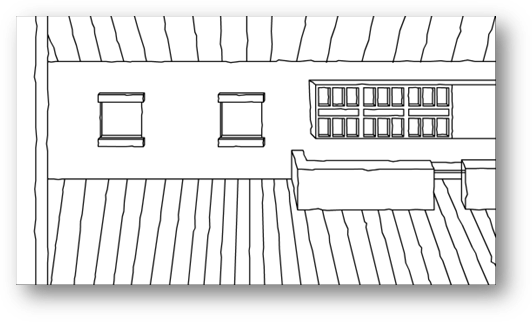
⬆️I was happy with this effect and applied it to the foreground objects to make the chairs and tables seem like they have been damaged by pirates.

⬆️I now needed to add colour to this level, so I used my research of the Monkey Island Scumm bar and found some similar colours to use. This image was my inspiration for the colours ⬇️
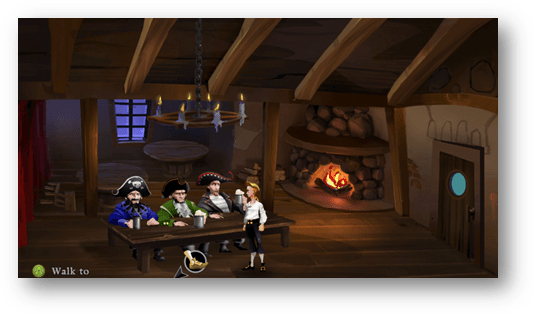

️⬆️ I experimented with adding scratches to the walls to add ware and tare. I did this using the Pen Tool by changing the angle and taper.
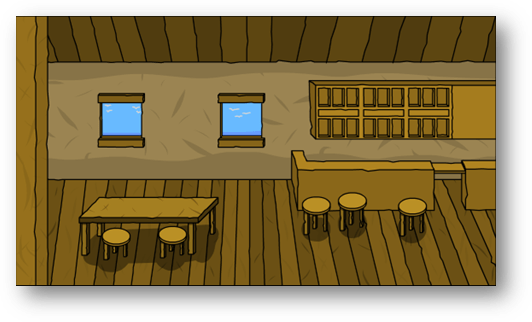
⬆️ After colouring the level and adding scratches and dents in the material, I thought about adding extra details and interactable items within the bar.
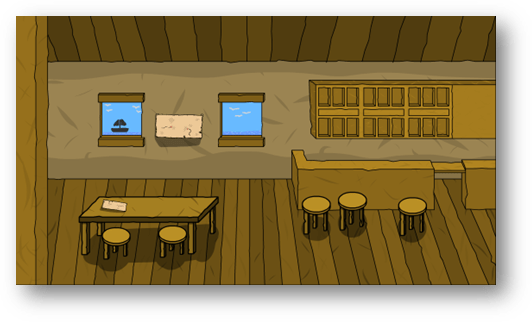
⬆️This is the final design. I am happy with this design and hope to improve on it in the future.
Evaluation
To evaluate this project, I will provide a detailed assessment of my performance in creating animations, designing graphics, developing user interfaces, and producing audio. Overall, I am happy with my performance, although I encountered some challenges during the process.
From a technical standpoint, I encountered difficulties with exporting the final animation. Choosing the right file format was tricky, and I had to do some research and troubleshooting to get it right. Some file formats were too low resolution while others cut parts of the animation out entirely. I sought help from online forums to address compatibility issues and optimize export settings. This experience emphasized the importance of understanding file formats and export settings in animation production, and I aim to further improve my technical skills in this area.
On the creative side, I had to make critical decisions regarding the visual style and audio elements of the animation. I used my knowledge of colour theory and animation principles to create appealing and engaging visuals utilizing the techniques I have learnt in past assignments. By conducting thorough research and applying some of the 12 animation principles, I ensured that the animation was enjoyable to watch and aligned to the brief. My strong research and design skills contributed to the project’s success.
However, I also identified areas for improvement. I faced challenges while importing files from other software into Adobe Animate, the animation software I used. This highlighted the need to improve my skills in software integration and compatibility. Additionally, I realized that my audio editing skills could be enhanced to improve the quality of sound effects and overall audio production. I intend to dedicate more time and effort to refining these skills to overcome the challenges I will face in future projects.
In conclusion, this project was a valuable learning experience that allowed me to develop and display my skills in animation, graphics, UI design, and audio production. Despite facing challenges and areas for improvement, I met the learning outcomes of the assignment and successfully addressed the project requirements. I will continue to actively seek opportunities to refine my skills and knowledge in these areas to further enhance my capabilities as a multimedia producer. Overall, I am proud of my work and enthusiastic about my continued growth in this field.
Reference List
Andersen, A. (2017). Pirates of the Caribbean sound Archives. [online] A Sound Effect. Available at: https://www.asoundeffect.com/tag/pirates-of-the-caribbean-sound/
Disney Wiki. (n.d.). Pirates of the Caribbean: The Curse of the Black Pearl (soundtrack). [online] Available at: https://disney.fandom.com/wiki/Pirates_of_the_Caribbean:_The_Curse_of_the_Black_Pearl_(soundtrack)
GOSS, W. (2018). Pirates of the Caribbean – The Black Pearl – Will Goss. [online] Will Goss. Available at: https://willgoss.com/2018/03/10/pirates-of-the-caribbean-the-black-pearl/.
Swinburne, R. (2009). The Secret of Monkey Island: SE Review | bit-tech.net. [online] bit-tech.net. Available at: https://bit-tech.net/reviews/gaming/pc/the-secret-of-monkey-island-special-edn/2/
tombible (2009). The Sound Design of The Secret of Monkey Island: Special Edition. [online] Lucasarts Workshop. Available at: https://lucasartsworkshop.wordpress.com/2009/09/10/the-sound-design-of-the-secret-of-monkey-island-special-edition/.
Walden, J. (2022). Making the Merry Sound of ‘Return to Monkey Island’ – huge game audio interview with Elise Kates & Andy Martin. [online] A Sound Effect. Available at: https://www.asoundeffect.com/return-to-monkey-island-game-audio/
Wherry, M. (2007). Scoring Pirates of The Caribbean III. [online] www.soundonsound.com. Available at: https://www.soundonsound.com/techniques/scoring-pirates-caribbean-iii.
 Lewis' Games Development Portfolio